
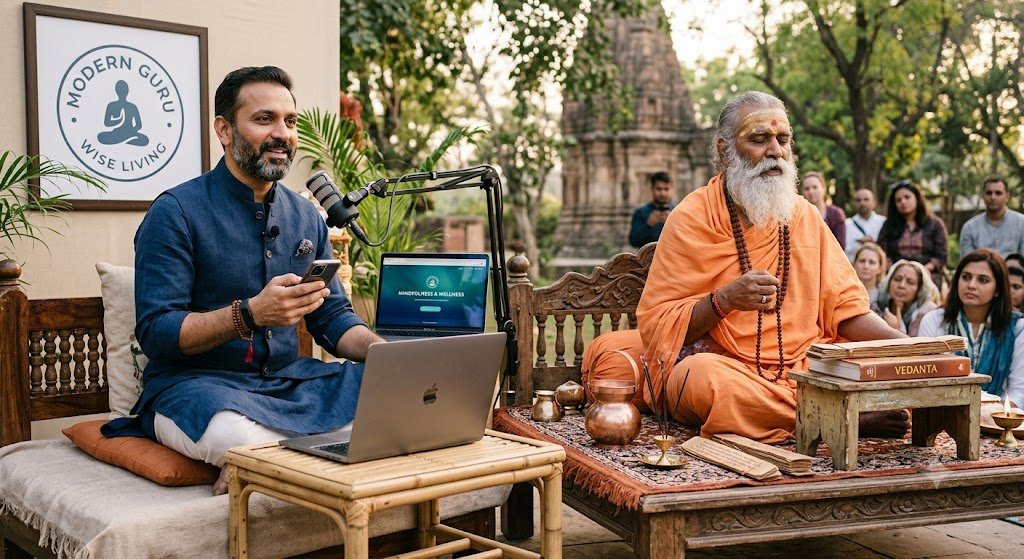
Yoga was once understood as an intensely personal, inward-facing journey — a traditional discipline rooted in pranayama (breath control), dhyana (meditation), and physical postures aimed at quiet self-realization and internal alignment. Originating as a path to still the fluctuations of the mind, it demanded patience, humility, and long-term dedication under the quiet guidance of a seasoned teacher.
Today, however, step into a trendy metropolitan studio, a pop-up weekend event, or scroll through a social media feed, and the contrast is unmistakable. The commercialization of modern yoga has become a defining feature of the wellness industry. What was historically a practice of stripping away ego has, in many circles, morphed into an arena for performative wellness, lifestyle branding, and social currency.
The Shift: From Inward Quiet to Social Connection
The primary driver behind this transformation is a fundamental change in what practitioners seek when they step onto the mat. While stress relief remains a quoted goal, the underlying motivation for many modern attendees has pivoted toward community, lifestyle identity, and social networking.
| Traditional Yoga | Modern Social Yoga |
|---|---|
| Inward reflection | Social connectivity |
| Egoless discipline | Visual branding & selfies |
| Studio & lineage focus | Pop-ups, events & travel |
| Guidance from wisdom | Popularity & aesthetic appeal |
In an era marked by increasing urban isolation and digital disconnect, yoga classes have stepped in to fill the role of third spaces — environments outside of work and home where people can gather, meet peers, and feel a sense of belonging. Consequently, the value of a class is frequently measured not by the depth of stillness achieved, but by the social environment offered:
- Community & Meetups: Post-class coffee runs, branded smoothie bars, and organized mixers have become as central to the experience as the practice itself.
- The Visual Currency of Selfies: The mat serves as a backdrop for digital expression. Mastering a difficult pose or capturing the ambient lighting of a high-end studio provides instant social media content, turning personal physical milestones into public performances.
- The Event Experience: Yoga has expanded beyond stationary studios into dynamic social events — rooftop sessions, beach gatherings, sound-bath parties, and festival-style pop-ups designed for entertainment as much as exercise.
The New Criteria for the Modern “Guru”
As the motivations of practitioners have shifted, so too has the standard by which instructors are evaluated. Historically, a guru or teacher was revered based on years of lineage study, rigorous self-discipline, and an ability to guide students through internal, often uncomfortable, emotional and mental growth.
In today’s fast-paced wellness market, however, authority is frequently recalibrated around visibility and aesthetics rather than traditional depth:
- The Modern Metric: Success is increasingly judged by who looks best on camera, who possesses the sleekest personal brand, and who can curate an entertaining experience, rather than who is best equipped to teach the deep, unglamorous mechanics of long-term practice.
- Aesthetic over Expertise: Instructors with extensive training in anatomy, philosophy, and individualized adjustments are sometimes overshadowed by charismatic influencers who excel at visual presentation and social engagement.
- Entertainment over Engagement: To retain clients in a competitive market, classes are often designed to be fun, accessible, and high-energy, minimizing the slow, contemplative elements that define traditional yoga.
- The Rise of the Lifestyle Icon: Teachers are expected to double as content creators, wellness icons, and community leaders, shifting their primary role from quiet mentor to active performer.
Wellness Tourism and the Pursuit of Novelty
Alongside the social and instruction shifts, yoga has seamlessly integrated with the global travel and leisure industry. Wellness tourism has turned yoga into an adventurous lifestyle commodity, encouraging practitioners to chase novel experiences across the globe.
Destination retreats, eco-resort workshops, and international festivals frame yoga as an extension of vacation culture. While combining travel with movement offers clear physical and mental refreshers, it also shifts the discipline’s focus toward novelty and consumption:
- Chasing Experiences: Practice becomes tied to exotic locations, Instagrammable sunsets, and luxurious surroundings, creating an expectation that spiritual or physical growth requires a scenic backdrop.
- Event-Driven Motivation: Rather than building a quiet, consistent daily routine (sadhana), engagement with the practice becomes episodic — relying on the excitement of the next retreat or special event to maintain interest.
Balancing Community with Authenticity
It is important to acknowledge that this evolution is not entirely negative. The modern emphasis on community, accessibility, and fun has lowered the barrier to entry, introducing millions of people to physical movement, breath awareness, and social connection who might otherwise never have explored traditional yoga. Finding friends, enjoying travel, and celebrating physical capability are valid, healthy human pursuits.
However, when performative aspects entirely overshadow the foundational intent, the practice loses its most transformative quality: its ability to act as a mirror for the self, free from the judgment or approval of an audience.
| Aspect | The Performative Outer Layer | The Authentic Inner Practice |
|---|---|---|
| Focus | External validation, social connection, aesthetics | Internal awareness, mental clarity, balance |
| Validation | Likes, community status, teacher charisma | Personal stillness, physical health, self-inquiry |
| Environment | Curated spaces, social events, iconic travel destinations | Any quiet space, a simple mat, consistent routine |
Rediscovering the Quiet Mat
The modern landscape of yoga reflects a broader cultural shift toward visual culture, social connection, and lifestyle integration. While the rise of vibrant communities, social meetups, and wellness travel brings genuine joy and connection to many, it also risks reducing a profound, multi-thousand-year-old tradition into a trendy social commodity.
The challenge for the modern practitioner is not to abandon the community or fun that contemporary yoga offers, but to maintain a clear boundary between the external spectacle and the internal practice.
Enjoying the meetups, appreciating the aesthetics, and traveling to events can comfortably coexist with yoga — provided that when the photos are taken and the social gathering ends, the mat remains a place to step away from the crowd, turn off the camera, and quietly go within.
At Vimoksh, we believe in returning yoga and meditation to their roots — through practices like Pyramid Meditation and Karmic Lineage Readings that focus on genuine inner transformation rather than performance. If you’re looking to step away from the noise and reconnect with a quieter, more authentic path, explore our sessions in Ras Al Khaimah, UAE.