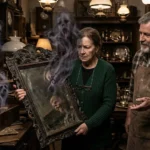

Humans are wired for survival. From an evolutionary standpoint, our brains are programmed to avoid darkness, flee from shadows, and fear the unknown. Yet, millions of us actively seek out the very things that make our skin crawl. We turn off the lights, press play on a terrifying movie, open a dark novel, and find ourselves perversely wishing we could step inside those shadowy worlds.
What is it about horror movies, dark literature, and macabre aesthetics that draws us in so deeply? Why do some of us find comfort where others find terror, dreaming of an existence that embraces the eerie and the gothic?
To understand this fascination, we must look at the psychology of fear, the catharsis of dark storytelling, and the unique allure of living a life wrapped in the aesthetic of horror.
1. The Chemistry of Controlled Fear
At the core of our love for horror movies and dark books is a psychological phenomenon known as controlled fear.
When you watch a supernatural entity haunt an abandoned house or read about a shadowy monster lurking in the woods, your brain triggers a classic fight-or-flight response. Your heart rate increases, your adrenaline spikes, and your brain floods your system with endorphins and dopamine.
However, because you are sitting safely on a couch or tucked under a blanket, your mind knows there is no actual physical threat.
The brain translates this biological arousal into excitement rather than terror. It creates a natural high, a rush of adrenaline without the real-world consequences.
This sensation is deeply addicting. In a world that often feels routine, modern, and sanitized, horror offers a primal jolt. It forces us into the present moment. You cannot worry about your daily chores or long-term stresses when a movie is making your heart pound.
2. The Comfort in the Shadows: Fiction vs. Reality
It might seem paradoxical to read “negative” books — stories focused on existential dread, tragic flaws, monsters, or tragic fates — when real life already contains plenty of hardship.
However, dark fiction serves a vital emotional function: catharsis and processing.
Real life is unpredictable, unfair, and often lacks clean resolutions. Dark literature and horror fiction, on the other hand, provide a controlled environment to explore our deepest anxieties.
- Emotional Discharge: Reading about dark topics allows us to experience heavy emotions like fear, grief, dread, and isolation within safe boundaries.
- Moral and Existential Framing: In horror, evil is given a tangible face. Whether it’s a vampire, a haunted mansion, or a psychological nightmare, dark books turn abstract fears into something concrete that can be faced, understood, or fought.
- The Beauty of the Tragedy: Dark themes often carry a profound depth. They strip away superficial polite pleasantries and force characters to confront their true selves. For many readers, this raw honesty in dark writing feels far more authentic than overly cheerful, idealized stories.
3. Dreaming of the Macabre: Why We Want to Live in the Dark
For a distinct subset of horror enthusiasts, simply consuming dark media isn’t enough — they want to inhabit it. This is where subcultures like Gothic aesthetics, Dark Academia, and Victorian mourning revival come in.
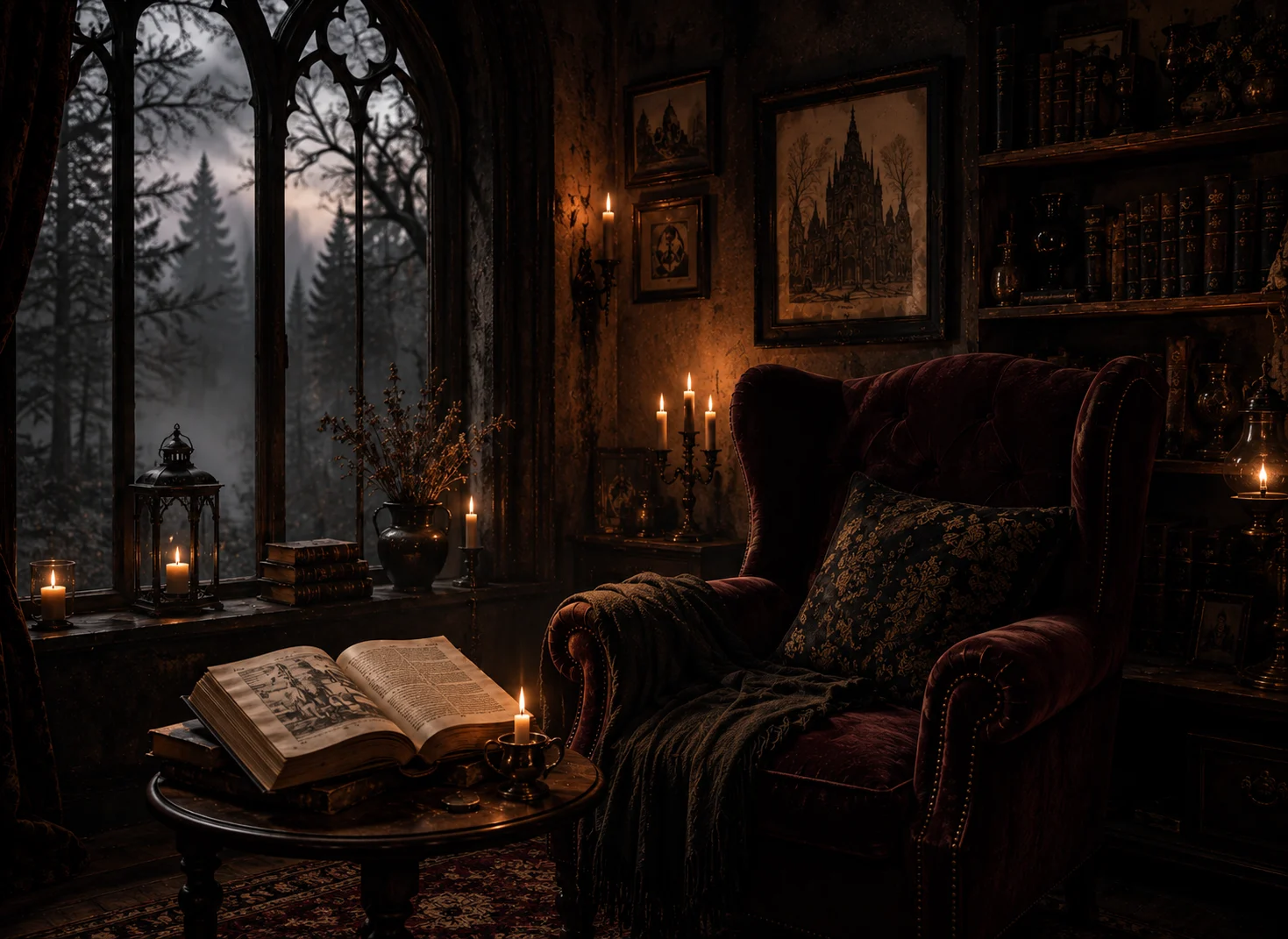
These aesthetics aren’t about wishing for tragedy; they’re about honoring depth, mystery, and the parts of life that mainstream culture tends to sanitize away. Candlelit rooms, antique furniture, black lace, and moody architecture create an environment that feels intentional, slow, and reflective — a deliberate contrast to the fast, bright, disposable aesthetic of most modern spaces.
Psychologically, this draw often connects to a few things:
- A rejection of forced positivity: Constant exposure to “good vibes only” culture can feel dishonest. Embracing darker aesthetics allows space for grief, introspection, and complexity without demanding a silver lining.
- A search for meaning through mortality: Death imagery and gothic themes force confrontation with mortality — an uncomfortable but ultimately clarifying exercise. Many who romanticize the macabre report that it makes them appreciate life more, not less.
- Aesthetic control over chaos: Curating a dark, beautiful environment gives a sense of order and intentionality over feelings that might otherwise feel overwhelming or formless.
Conclusion: The Light Within the Dark
Our fascination with horror, dark fiction, and macabre aesthetics isn’t a flaw in human psychology — it’s a feature. It reflects our need to process fear safely, confront mortality honestly, and find beauty in complexity rather than only in polish and positivity.
Whether through a two-hour horror film, a gothic novel, or a candlelit room filled with antique curiosities, the macabre gives us a mirror. And sometimes, looking directly into the shadows is what allows us to walk more confidently through the light.